
TL;DR: A wine is dry when most of its natural grape sugar ferments into alcohol, leaving little sweetness behind. Tannins can also create a mouth-drying sensation, but they affect texture rather than sugar content. Both red and white wines can be dry.
A wine is considered dry when most of its natural grape sugar ferments into alcohol instead of remaining as sweetness. However, dryness can be confusing because a wine may feel dry in your mouth without tasting bitter or lacking fruit flavors. Tannins, acidity, and the wine’s overall flavor profile can all influence how you experience a glass, even though residual sugar is the main measure of sweetness. Understanding these differences can help you identify the styles you enjoy, whether you prefer bold reds, crisp whites, or wines with a little more sweetness. At an Oklahoma wine tasting, comparing different wines side by side is a practical way to discover your preferences and understand what makes each wine taste the way it does.
Why Some Wines Taste Dry and Others Don’t
A wine is dry because the yeast used during fermentation converts nearly all of the natural sugar in the grapes into alcohol, leaving only a trace of sweetness behind. The less sugar that remains after fermentation, the drier the finished wine tastes. This is different from a wine simply being bold, bitter, or full-bodied. Dryness is specifically about sugar content, and a wine can be light, rich, fruity, or savory while still being technically dry. Understanding that distinction is the fastest way to build confidence at any Oklahoma wine tasting, whether you already gravitate toward bold reds or you’re still figuring out your preferences.
Residual Sugar: The Real Measure of Dryness
Residual sugar is the technical term for whatever natural grape sugar is left in a wine once fermentation stops, and it’s the real measure winemakers use to define dryness. Winemakers can let fermentation run its full course, which uses up nearly all the sugar and produces a dry wine, or they can stop it earlier to preserve more natural sweetness for an off-dry or sweet finished wine. Because this happens during winemaking rather than in the vineyard, two wines made from the exact same grape can land in completely different places on the sweetness spectrum depending on how the winemaker handles fermentation. Learning how to taste wine properly makes it much easier to notice this sugar level for yourself, rather than relying on a label alone.
Tannins and That Puckering, Dry Sensation
Tannins are the reason a bold red can feel dry in your mouth even when the sugar content has nothing to do with it. This puckering, drying sensation comes from natural compounds in grape skins, seeds, and stems that bind to proteins in your saliva, an effect confirmed by wine tannin research from enology researchers. Because tannins create a textural effect rather than a taste, a wine can be both low in sugar and high in tannin at the same time, making it feel more drying even when its sweetness level is unchanged. This is exactly what can makes a bold cabernet feel so dry compared to a lighter-bodied red.
Dry vs. Sweet: Where Different Wines Fall
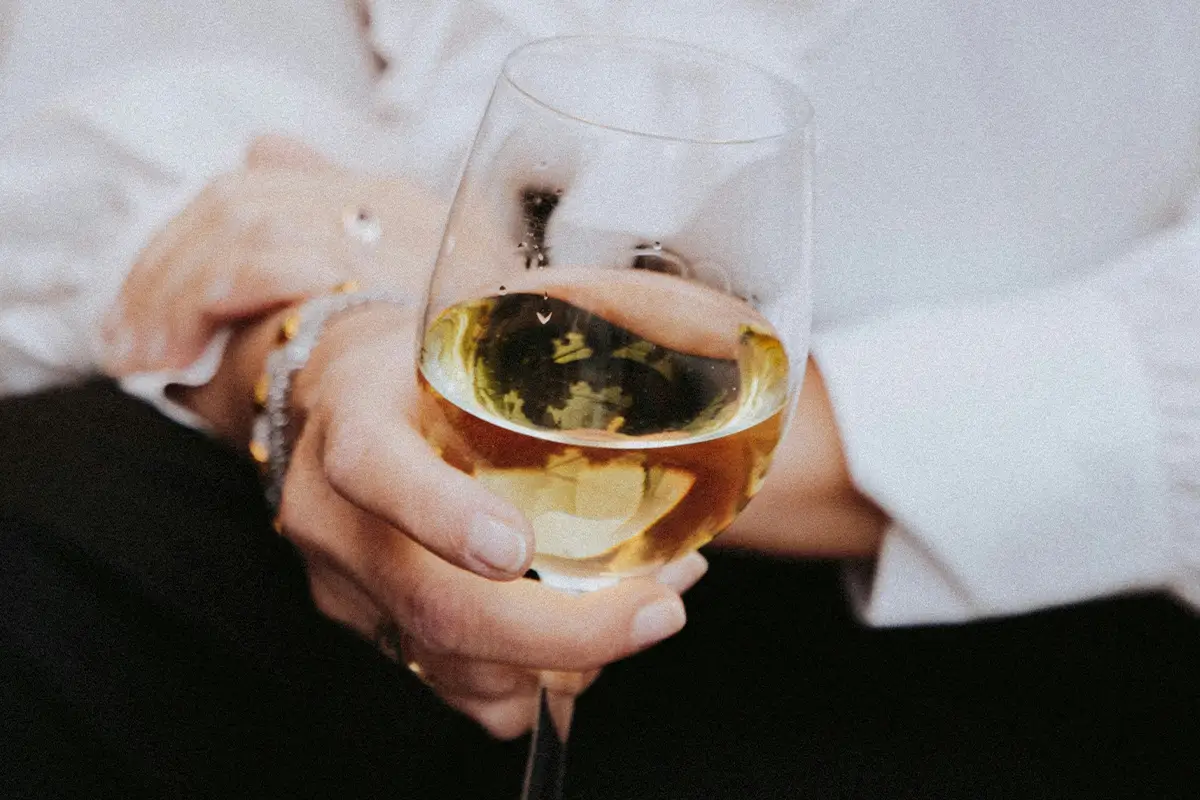
Dryness works on a spectrum rather than as a simple yes-or-no label, running from bone-dry all the way to dessert-sweet. Most reds and many whites fall on the drier end of that spectrum, but plenty of well-known wines land closer to the middle or the sweet side, and neither position says anything about quality. Comparing a few side by side, whether at home or during an OKC wine tasting, is the easiest way to see where your own preferences fall on that spectrum.
Dry and Off-Dry Reds
Most classic red wine styles, including cabernet sauvignon, merlot, and pinot noir, are made dry, with tannin levels that vary based on the grape and how long the juice sits with the skins. If you want to compare a few side by side, an OKC wine tasting flight is one of the easiest ways to notice how tannin and dryness shift from one red to the next.
Crisp Whites and Sweet Finishes
White wines cover a much wider range, from bone-dry sauvignon blanc and pinot grigio to fully sweet dessert styles, which is part of what makes them fun to explore. Learning the different types of wine ahead of time can help you narrow in on whether a crisp dry white or a richer sweet wine fits your taste before you start sampling.
Finding Your Favorite Style at an Oklahoma Wine Tasting
The most reliable way to find your favorite level of dryness is simply to taste a few wines side by side and pay attention to how each one actually feels, not just how it’s labeled. Sipping a dry red next to an off-dry white, or a bone-dry white next to a sweeter one, makes the difference between sugar and tannin much easier to notice in real time. An Oklahoma wine tasting built around a guided flight takes the guesswork out of it, letting you compare styles without having to buy a full bottle of each one first.
If you’re specifically searching for wine tasting in Oklahoma City, our estate sits just a short drive from the metro, making it an easy weekend stop for a flight and a plate of appetizers.
Frequently Asked Questions
Is a dry wine the same as a bitter wine?
No. Dryness refers to how much natural sugar is left in the wine, while bitterness is a separate taste sensation that comes from different compounds entirely. A dry wine can taste smooth and fruity rather than bitter.
Can a dry wine still taste fruity?
Yes. Dryness is about sugar content, not fruit flavor, so a dry red or white can carry noticeable notes of berry, cherry, citrus, or stone fruit without actually being sweet.
Is Oklahoma a good place to explore dry wines?
Yes. Oklahoma’s wine trails connect a growing number of wineries across the state, and wine tasting in Oklahoma City puts you within easy reach of several of them without a long drive.
Key Takeaways
- A wine is dry when most of its natural grape sugar ferments into alcohol, leaving very little residual sugar behind.
- Tannins create a separate, puckering mouthfeel that can make a wine feel even drier, independent of its actual sugar content.
- Both red and white wines can be dry; dryness is a spectrum, not a red-only trait.
- Tasting a few wines side by side is the most reliable way to notice the difference between a dry, off-dry, and sweet style.
- A guided flight makes it easy to compare styles in one sitting without committing to a full bottle.
Try Clauren Ridge’s Dry Wines During Your Next Visit
At Clauren Ridge, we pour a full range of estate-crafted wines, from bold, full-bodied dry reds with a pleasantly dry finish to lighter, crisp whites, so you can compare dry and sweet styles in the same afternoon. If you’d rather explore something sweeter, our gold-medal-winning sweet wines and crowd-favorite wine slushies and mimosas are also available by the glass or flight.
A visit to our OKC wine tasting room pairs naturally with our appetizer menu, including the house-made artichoke dip and charcuterie boards, so you can taste dry and sweet wines alongside food built to complement both.
Whether you already know you prefer a bold, full-bodied dry red or you’re still working out your favorite style, our team is happy to help you build a flight that fits your palate. Schedule your tasting today and come taste the difference between dry and sweet for yourself.