

Embarking on a journey through the world of wine can be an exciting experience, whether you are a seasoned connoisseur or a curious beginner. Understanding the different types of wines, exploring local wine tasting in regional areas, and appreciating the nuances of each varietal can significantly enhance your appreciation for this beloved beverage. For those interested in Oklahoma wine tasting, the regional industry has evolved into a sophisticated landscape that rivals traditional viticulture hubs. Wine has a diverse landscape shaped by region, grape variety, and tradition.
What Are the Most Common Types of Wine?
The most common types of wine include red, white, rosé, sparkling, and fortified varieties, each defined by the grape type and fermentation process used. By understanding the structural components of these wines, such as acidity, tannins, and alcohol content, you can better navigate a tasting menu and communicate your preferences to a sommelier or tasting room attendant. To truly master the varieties, one must look at the chemical and biological differences that occur during the growth and fermentation stages.
When exploring wine tasting, you will find that these styles serve as the primary pillars of any menu. The production methods used for each category determine the final flavor profile and the appropriate serving temperature. Understanding these basic distinctions ensures that your next local wine tasting experience is both educational and enjoyable.
Key Findings About Wine
Before diving into specifics, it is crucial to understand some fundamental aspects of wine. These findings serve as the baseline for anyone looking to deepen their knowledge through local wine tasting.
- Grape Variety Matters: There are over 10,000 varieties of wine grapes in the world, though only a few dozen make up the majority of global production. The type of grape used significantly impacts a wine’s flavor profile, sugar levels, and potential for aging.
- Terroir Shapes the Wine: Terroir encompasses environmental factors—soil, climate, and topography—that influence a wine’s unique character. This concept explains why a Merlot grown in the plains will taste different from one grown in the valley.
- Tasting is Subjective: While there are established technical guidelines, personal preference is the ultimate authority. What one person finds delightful, another might find too acidic, making the exploration of wine tasting in Oklahoma City a highly individual pursuit.
Red Wines: Bold and Complex
Red wines are made from dark-colored grapes and undergo fermentation with the grape skins to impart color, body, and tannins. During a local wine tasting, you will often encounter reds that have been aged in oak barrels to reach their peak complexity. Clauren Ridge’s whiskey-barrel aged Syrah offers a rich and bold flavor profile that stands as a testament to our aging techniques.
Red wine production involves maceration, where the juice remains in contact with the skins to extract polyphenols and anthocyanins. This process gives the wine its deep hue and a structural component known as tannins, which create a drying sensation on the palate. When attending an Oklahoma wine tasting, pay attention to how the intensity of the tannins varies between a light-bodied Pinot Noir and a full-bodied Cabernet Sauvignon.
Common red varieties include:
- Cabernet Sauvignon: This is the world’s most planted wine grape. Known for its full body and high tannins, it often features notes of black currant, cedar, and tobacco.
- Merlot: Often more approachable for beginners, Merlot offers softer tannins and a smoother, velvety texture with flavors of plum and chocolate.
- Sangiovese: A classic Italian variety that thrives in various climates. It is prized for its tart cherry notes and savory herbal undertones.
- Syrah/Shiraz: This grape produces dark, full-bodied wines with prominent flavors of blackberry, black pepper, and sometimes a hint of smokiness. It is often the star of a wine tasting in Oklahoma City for those who prefer intensity.
White Wines: Crisp and Refreshing
White wines are typically made from green grapes or red grapes where the skins are removed before fermentation. These are fermented at cooler temperatures to preserve the delicate, volatile aromas that characterize the style. They are a frequent favorite during a summer local wine tasting session due to their bright acidity.
Because white wines lack the heavy tannins found in reds, they rely on acidity to provide structure and balance. This acidity makes them excellent companions for food, as they can cut through rich or oily dishes. If you are participating in a wine tasting in Oklahoma City, you might notice that white wines often feature primary fruit flavors like lemon, apple, and pear.
Prominent white varieties include:
- Chardonnay: The most versatile white grape, it can range from crisp and mineral-driven (if aged in stainless steel) to rich and buttery (if aged in oak).
- Sauvignon Blanc: Highly aromatic with high acidity, often tasting of grapefruit, passionfruit, and fresh-cut grass.
- Pinot Grigio: A light-bodied, zesty white wine that is typically intended to be consumed young and fresh.
Rosé Wines: The Best of Both Worlds
Rosé wines are produced when red grape skins are left in contact with the juice for a very short period, usually only a few hours. This results in a pink hue and a flavor profile that sits comfortably between a white and a red.
The popularity of rosé has grown significantly in recent years, particularly in regions that value local wine tasting as a social activity. These wines are prized for their versatility and their ability to bridge the gap between heavy red meats and lighter seafood dishes. During an Oklahoma wine tasting, a chilled glass of rosé offers a refreshing reprieve from the midday sun while still providing the complexity of red fruit notes.
Sparkling Wines: Celebratory and Effervescent
Sparkling wines contain significant levels of carbon dioxide, which creates the characteristic bubbles. This can be achieved through a secondary fermentation in the bottle, known as the traditional method, or in large tanks. These wines add a layer of sophistication to any local wine tasting event and are essential for celebratory toasts.
Sparkling wine is not limited to Champagne; many regions produce high-quality effervescent wines like Cava, Prosecco, and American sparkling varieties. When you visit a wine tasting in Oklahoma City, a sparkling selection often serves as a palate cleanser between courses. The carbonation provides a unique textural element that enhances the perception of acidity and fruitiness.
Why Does Oklahoma Wine Tasting Offer a Unique Experience?
Wine tasting offers a distinctive experience because it combines the state’s burgeoning viticulture with authentic hospitality and unique regional terroir. While many associate winemaking with coastal regions, Oklahoma’s varied climate and soil profiles allow for the growth of hardy grapes that produce wines with unexpected depth and character. This accessibility makes local wine tasting an ideal retreat for those seeking an elevated cultural experience close to home.
Local vineyards have mastered the art of adapting traditional European styles to the local landscape, allowing visitors to enjoy world-class tasting rooms and exclusive features like wine caves without leaving the state. The warmth of the local community, combined with the professional standards of the winemakers, creates a welcoming atmosphere for guests. Whether you are an expert or a novice, an Oklahoma wine tasting session provides a rare opportunity to see the entire production cycle in a personalized setting.
Deep Dive into Wine Production: The Science Behind the Sip
The process of turning fruit into fine wine is a meticulous journey that requires both scientific precision and artistic intuition. For those attending a wine tasting in Oklahoma City, knowing these steps adds a layer of appreciation to every glass.
The production process can be summarized in the following stages:
- Viticulture: This is the study of grape growing. It involves monitoring soil pH, vine health, and pest control to ensure the fruit reaches its maximum potential.
- Harvesting: Grapes must be picked at the exact moment when sugar levels (Brix) and acidity are in perfect balance.
- Crushing and Pressing: Modern machinery gently breaks the skins to release the juice. For white wines, the juice is separated immediately; for reds, it remains with the skins.
- Fermentation: This is where the magic happens. Yeast consumes the grape sugars, turning them into alcohol and heat. Winemakers must carefully control the temperature to ensure the desired flavor profile.
- Clarification and Aging: Once fermentation is complete, the wine is “racked” to remove solids. It then spends time in tanks or oak barrels to develop complexity and soften its structure.
Understanding these technical phases makes your next wine tasting in Oklahoma City much more engaging. You can begin to identify which winemaking techniques were used to achieve specific textures or aromas in your glass. For instance, a wine that has undergone malolactic fermentation will have a creamier mouthfeel than one that has not. This scientific approach is a hallmark of any reputable wine tasting establishment.
The Importance of Terroir in the Plains
Terroir plays a crucial role in shaping a wine’s character through soil composition, sun exposure, and climate. Oklahoma wine tasting provides insight into how our specific red clay soils and intense summer sun impact locally produced wines. The red clay is rich in minerals that can impart a distinct earthiness to the wine, while the high heat during the day and cooling at night help the grapes develop balanced sugars and acids.
When you participate in a local wine tasting, you are literally tasting the geography and history of the land. The central region’s climate requires resilient grape varieties that can withstand temperature swings. This results in wines with a unique personality that cannot be replicated in other parts of the world. Exploring wine tasting in Oklahoma City is the best way to witness this environmental influence firsthand.
How Do You Choose the Best Local Wine Tasting Destination?
Choosing the best wine tasting in a local destination requires looking for a venue that offers high-quality estate wines, a scenic atmosphere, and expert guidance. A premier winery should provide an immersive look at the viticulture process, such as vineyard tours or access to aging facilities like wine caves. The best destinations are those that offer a “full-circle” experience, showing you the vines, the barrels, and finally, the finished product.
You want a team that is passionate about education and can help you navigate the nuances of the menu without being intimidating. When researching wine tasting in Oklahoma City, look for establishments that have a track record of excellence in both production and hospitality. A refined aesthetic and comfortable seating areas further enhance the guest experience.
Decoding Wine Labels: What to Look For
A wine label is a legal document that provides essential clues about the liquid inside. Understanding these details is a vital skill for anyone frequenting local wine tasting rooms.
Key label components include:
- The Producer: This tells you who made the wine. For estate wines, look for terms that indicate the wine was grown and bottled on the same property.
- The Region: This indicates the geographic origin. In a wine tasting in Oklahoma City, this might specify a particular county or an American Viticultural Area (AVA).
- The Vintage: The year the grapes were harvested. Weather varies year to year, which means the same wine can taste quite different between vintages.
- ABV: Alcohol by Volume. This can give you a clue about the body of the wine; higher alcohol typically means a fuller, heavier mouthfeel.
Mastering the Art of Wine Tasting
Wine tasting is an experience that draws on what you see, smell, and taste. Engaging all the senses during local wine tasting allows you to identify specific flavor notes and quality markers. It is a slow, intentional process that rewards patience and curiosity.
To taste like a pro during your next wine tasting, follow these steps:
- Sight: Hold the glass against a white background. Is the wine clear or cloudy? A deep gold white wine might indicate oak aging, while a purple-hued red suggests a younger wine.
- Smell: Swirl the glass to aerate the wine and stick your nose in. Look for primary aromas (fruit/floral), secondary aromas (yeast/bread from fermentation), and tertiary aromas (vanilla/spice from oak).
- Taste: Take a sip and “chew” the wine. Notice the sweetness on the tip of your tongue, the acidity on the sides, and the tannins that create a drying sensation on your gums.
- The Finish: Pay attention to how long the flavor lingers after you swallow. A long, pleasant finish is a hallmark of high-quality winemaking.
Practice these steps every time you visit an Oklahoma wine tasting venue. Over time, you will develop a “palate memory” that allows you to recognize specific grape varieties and regions by their sensory characteristics. This mastery adds a layer of intellectual satisfaction to the sensory enjoyment of the wine.
Pairing Wine With Food: Creating Harmony
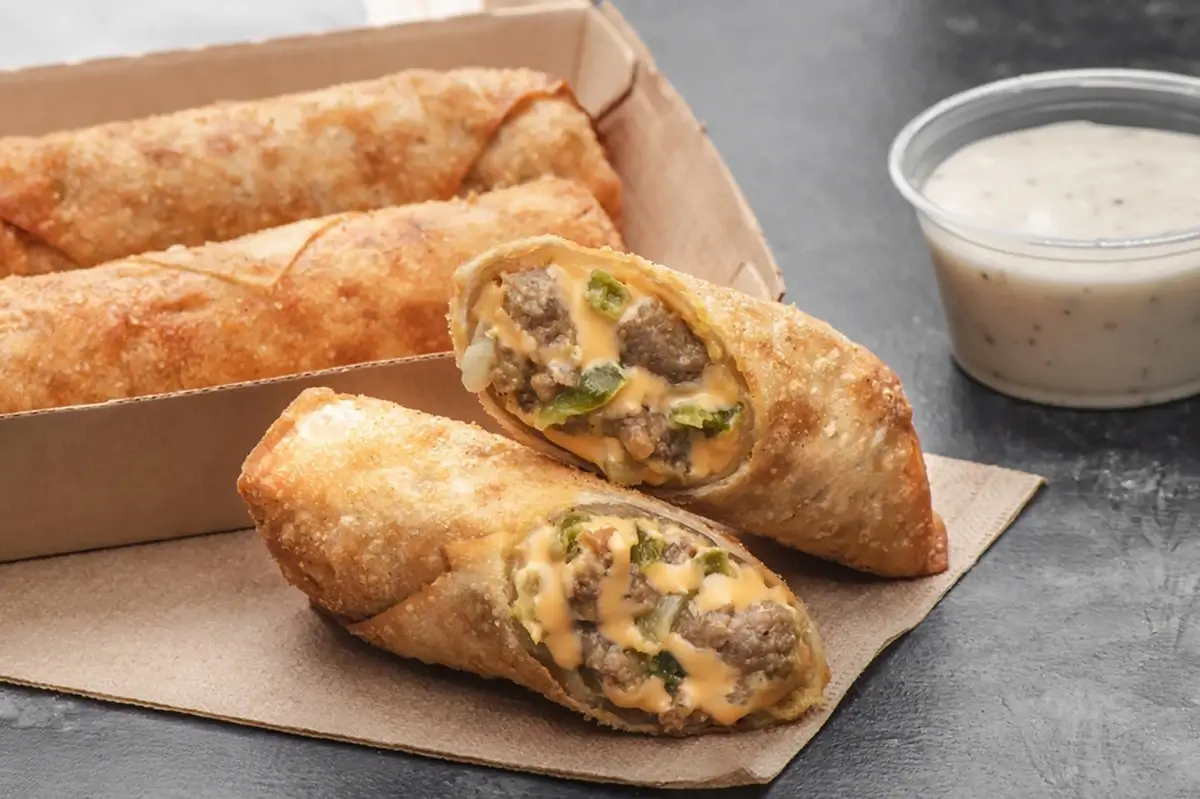
The right food pairing can transform a good wine into a great one. Many venues offer a curated menu of appetizers specifically selected for wine tasting pairings. Our appetizers are available to complement your choice of red, white, or sweet wines.
To create harmony in your own pairings, consider the following:
- Match the Body: A heavy, tannic red wine like Cabernet Sauvignon needs a heavy protein like steak to balance the palate. Conversely, a delicate Pinot Grigio is best with light salads or seafood.
- Consider Acidity: If you are eating something oily or fatty, a high-acidity wine acts as a palate cleanser, cutting through the richness.
- Regional Pairings: There is an old saying: “What grows together, goes together.” Pairing local produce with Oklahoma wine tasting selections often yields the most harmonious results.
Exploring wine tasting in Oklahoma City often involves visiting establishments that prioritize these pairings. A well-constructed charcuterie board can highlight the fruitiness of a white wine while softening the tannins of a red. This synergy between food and wine is one of the most pleasurable aspects of the culinary world.
What Should You Expect During Your First Oklahoma Wine Tasting?
During your first Oklahoma wine tasting, you should expect a welcoming environment where you can sample a flight of diverse wines under the guidance of a knowledgeable server. Most tastings allow you to choose between dry, sweet, or sparkling options to match your personal preference. The goal is discovery rather than judgment.
Professional venues provide a casual yet refined setting where you can enjoy the view from a veranda while learning about the chemistry of the wine. You might start with light whites and progress toward heavier reds, cleansing your palate with water or crackers in between. This structured approach is standard for any wine tasting. Remember that local wine tasting is about relaxation as much as it is about education.
Sustainable Viticulture and the Future
As the industry grows, many vineyards are focusing on sustainable practices to protect the land for future generations. This includes water conservation, responsible pest management, and soil health initiatives. When you engage in wine tasting in Oklahoma City, you are often supporting these environmental efforts. It is a way to celebrate the bounty of the earth while ensuring its longevity.
Understanding how a vineyard manages its resources can give you a deeper respect for the wine in your glass. Many who enjoy wine tasting in Oklahoma City appreciate knowing that their favorite local labels are produced with ecological integrity. The future of the Oklahoma wine tasting industry depends on this stewardship. By choosing sustainable producers, consumers play an active role in the health of the regional ecosystem.
Frequently Asked Questions
What makes the experience in this region unique for Oklahoma wine tasting?
The region offers rare architectural and geological features, such as subterranean wine caves, which are used for aging wine in a climate-controlled, traditional manner. This unique combination of local terroir and exclusive facilities provides a world-class Oklahoma wine tasting environment that cannot be replicated elsewhere.
What is typically included in an all-inclusive wedding package at a winery?
An all-inclusive package at a premier winery is designed to be completely stress-free for the couple. It generally includes a dedicated venue coordinator, full staff and bartenders, all table and chair setups, and professional aesthetics like house flowers provided in your custom colors at no extra charge.
Can I purchase wines to take home after a local wine tasting?
Yes, after your local wine tasting, most venues allow you to purchase estate-bottled wines, convenient canned wines, or even specialty wine slushy pouches. This allows you to bring the winery experience back to your own home for continued enjoyment.
Are the indoor event spaces at wineries climate-controlled?
Yes, to account for the unpredictable nature of local weather, premier venues offer temperature-controlled indoor reception areas. This ensures that guests remain comfortable during an Oklahoma wine tasting event regardless of the season or external temperature.
Do I need a reservation for a wine tasting in Oklahoma City?
While some venues allow walk-ins, it is generally recommended to book a reservation, especially for groups or for access to specific areas like a wine cave. This ensures you receive the most attentive service possible during your visit for a wine tasting in Oklahoma City.
The Perfect Pour Awaits
Exploring the different types of wines and the winemaking process significantly enhances your appreciation for this ancient craft. For those seeking a premier Oklahoma wine tasting experience, Clauren Ridge provides the perfect blend of scientific expertise, family-owned hospitality, and rustic elegance. Our estate-grown varietals and exclusive subterranean wine cave offer an immersive journey into the world of viticulture that stands out in the Oklahoma landscape.
Whether you are planning a milestone celebration, a dream wedding, or simply looking for a refined weekend activity with friends, we invite you to experience the beauty of our vineyard firsthand. Our team is dedicated to providing a luxury, stress-free experience that celebrates the very best of regional craftsmanship and property aesthetics. Visit us today to discover your new favorite vintage and indulge in a memorable local wine tasting adventure. For those seeking the finest wine tasting in Oklahoma City, our vineyard remains the ultimate destination for quality and charm.